Corporate town halls and hybrid Annual General Meetings (AGMs) have permanently shifted from temporary workarounds to critical infrastructure. Across Greater Vancouver and the Fraser Valley, organizations rely on these broadcasts for executive communications, investor relations and governance. A 2026 report by Mark Studios shows that 68% of organizations ran virtual all-employee town halls in 2024 and 2025, outpacing the 52% that held them in person.
For communicators and event planners running a hybrid meeting, treating the event as a broadcast production rather than a basic webcam call is what keeps remote audiences focused. Drawing on more than 30 years of broadcast and event production experience across British Columbia, Maverick Video Group outlines the practical mechanics behind reliable live event streaming services.
What Are Professional Multi-Camera Live Streaming Services for Corporate Town Halls and AGMs?
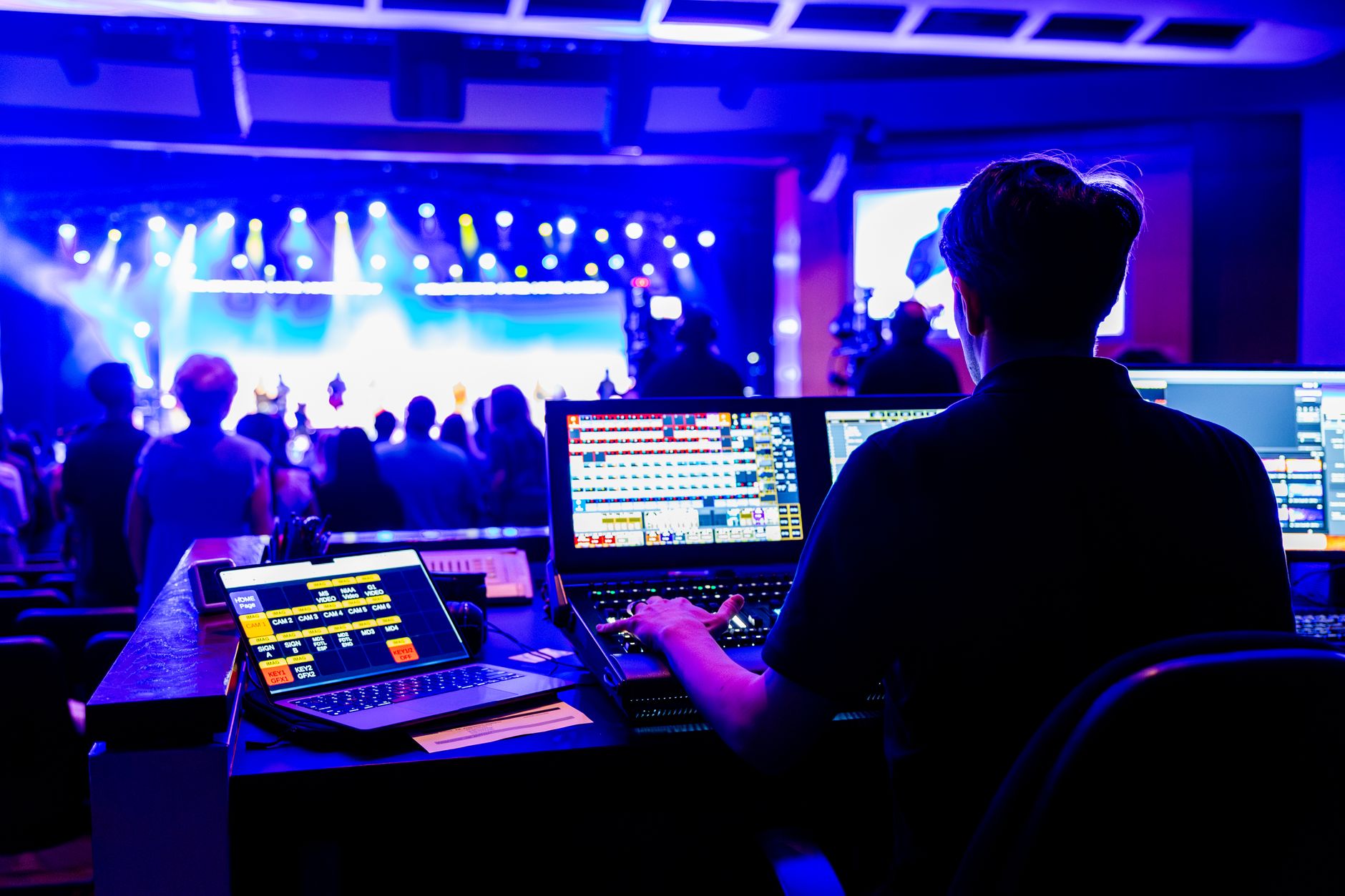
Professional multi-camera live streaming services for corporate town halls and AGMs combine broadcast video switching with in-room audio-visual engineering. By pulling a clean mix-minus audio feed directly from the venue sound board, ingesting slide decks digitally alongside two to four live camera angles, and rolling pre-produced committee videos directly from the switcher, organizations give remote shareholders and employees the exact same clarity and participation rights as attendees in the room.
While 90.3% of major corporate investor-relations pages link to a webcast, historically only 9.7% feature an embedded video player (Mark Studios). Organizations that deploy a multi-camera setup immediately differentiate their leadership transparency and viewer retention. Video is no longer a temporary measure; as Peter Strella of Rite Aid noted in a Vimeo Customer Spotlight, a professional, branded company event builds credibility and acts as a modern solution for the workplace.
Navigating BC Regulatory Standards for Virtual AGMs
When planning webcast streaming for an AGM in British Columbia, the technical setup must meet specific legal governance standards. Following permanent legislative amendments to the BC Business Corporations Act (BCBCA) Sections 166, 169 and 174, remote participants must be able to communicate adequately to be counted toward quorum, provided the organization's articles allow electronic meetings (Province of British Columbia; Fulcrum Law).
Furthermore, the Canadian Securities Administrators (CSA) updated its guidance to emphasize that the ease, level and quality of remote shareholder participation must mirror an in-person meeting (CSA; Stikeman Elliott). Shareholders must be able to hear proceedings clearly, view presentations, submit questions and vote without needing advanced technical skills.
Step-by-Step Production Guide for Corporate Live Streaming
Meeting these regulatory and engagement standards requires a methodical approach to live streaming production. A successful broadcast is built on five technical pillars.
1. Room-First Planning and Sightlines
A reliable production starts with the room, venue layout, audience size and running order rather than a raw equipment list. Planners must map out camera positions, 10-foot projection screens, stage lighting and cable runs so that neither the in-room attendees' sightlines nor the camera lenses are obstructed. Defining these physical logistics early in a clear production process prevents last-minute compromises on event day.
2. Multi-Camera Switching and Angles
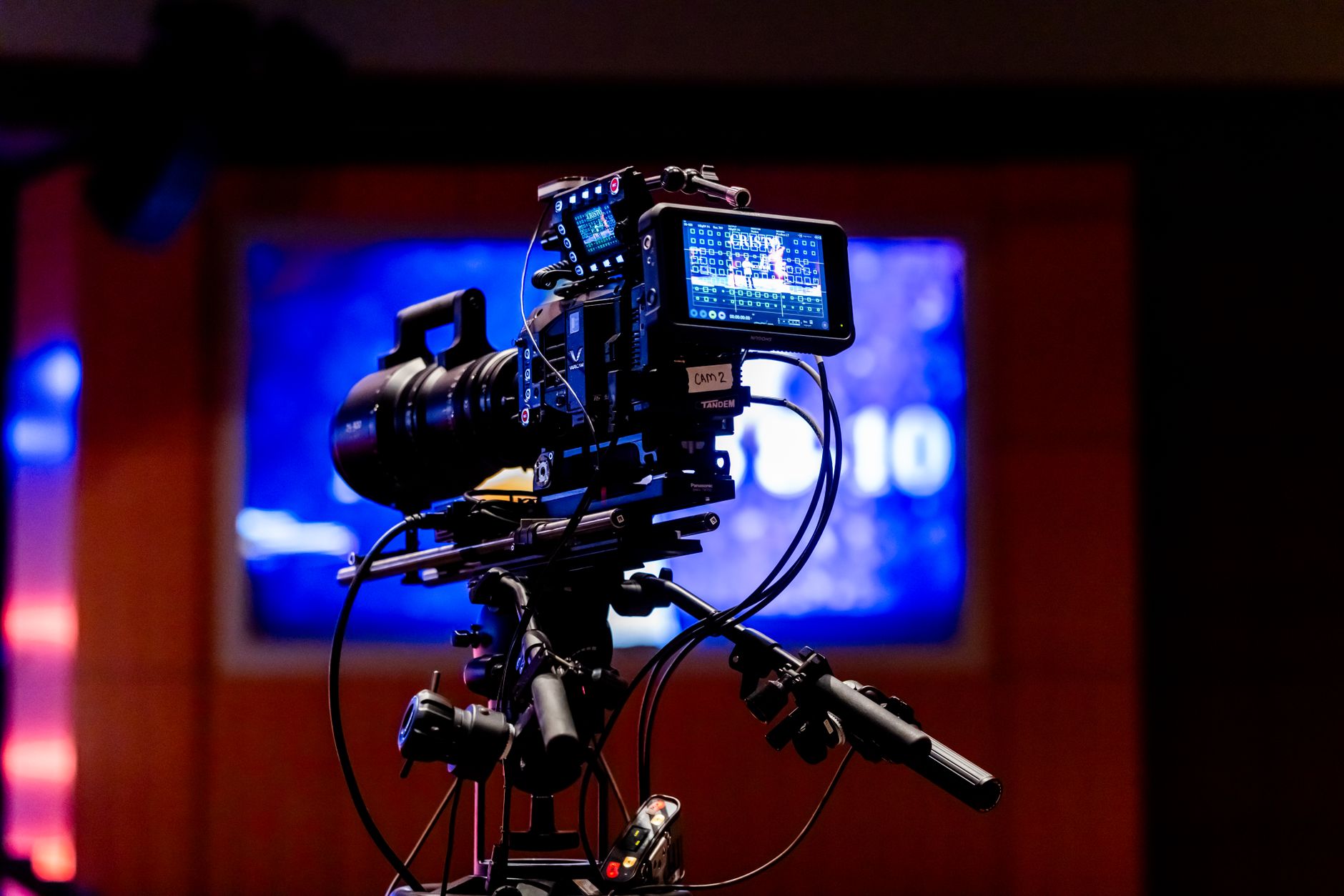
A single static webcam aimed at a podium fails to hold remote viewer attention. A broadcast-grade setup uses two to four professional cameras connected via low-latency Serial Digital Interface (SDI) into a central hardware switcher (Spring Forest Studio).
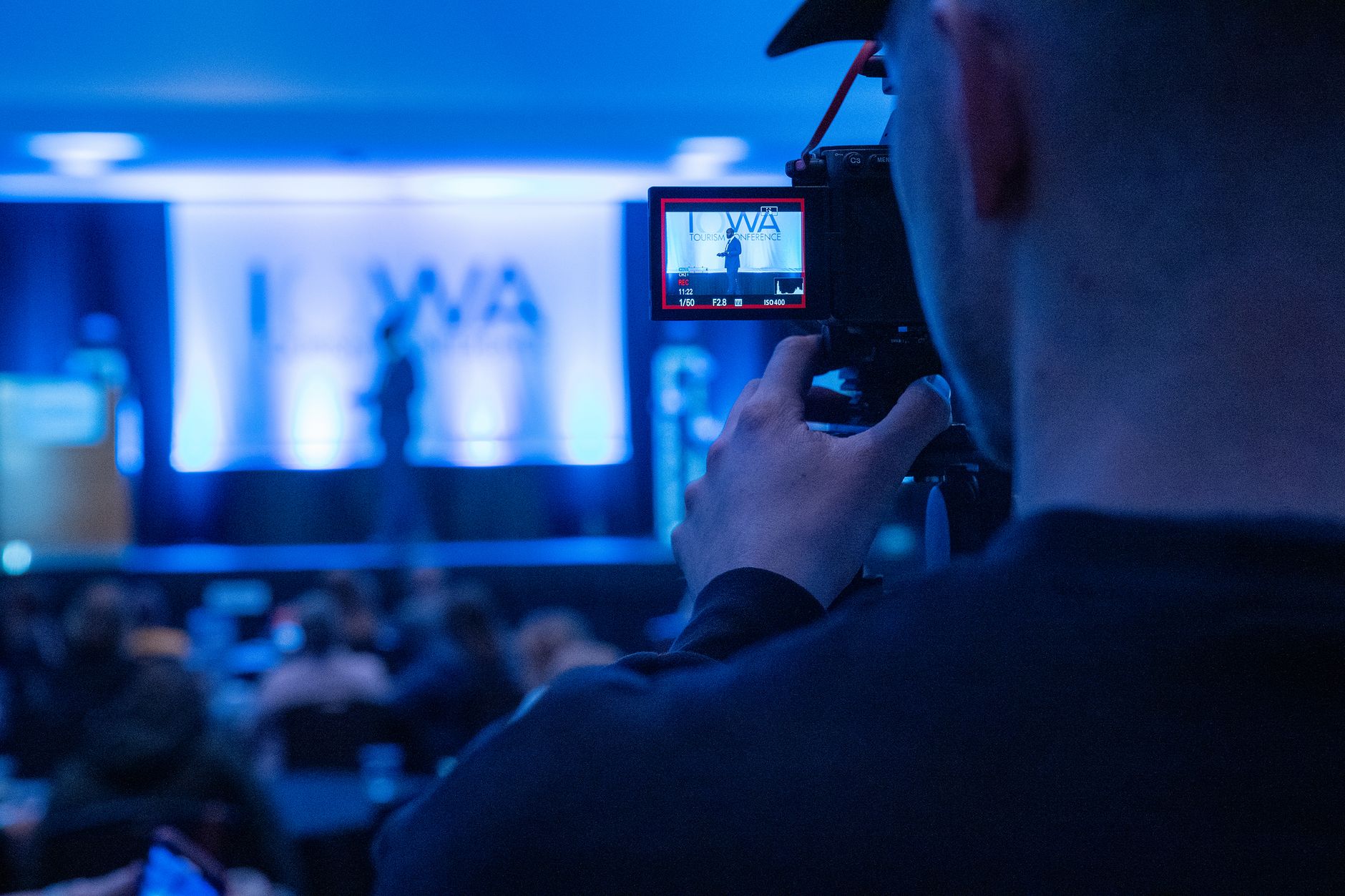
A typical corporate arrangement includes a tight camera focused on the active speaker for executive authority, a wide master shot capturing the full panel during transitions, and a reverse angle capturing audience reactions and floor microphones. Cutting between these angles every 15 to 30 seconds brings visual pacing to special events and ceremonies and prevents screen fatigue.
3. Audio Integration and the Mix-Minus Setup
Audio clarity is the foundation of live streaming services for events. Bad audio kills a stream faster than bad video; viewers will tolerate a slightly soft picture, but they drop off entirely if they cannot hear the presenter clearly (SVL Productions).
Presenters wear wireless lavalier microphones that run into the front-of-house digital audio mixer. The broadcast rig takes a dedicated, EQ-balanced mix directly off this sound board. To solve the distracting half-second echo caused when a remote presenter speaks over the room's PA speakers, audio technicians configure a mix-minus auxiliary bus. This sends the streaming computer every microphone in the room minus the remote computer's own audio channel (Taipei Media; Roland Pro A/V).
4. Digital Slide Capture and Remote Presenters
Filming a projection screen with a camera produces washed-out contrast and unreadable financial tables. Instead, the presentation laptop output is split. One feed drives the in-room screens, while an identical direct digital feed enters the video switcher. The technical director then uses Picture-in-Picture layouts to display crisp charts alongside a live window of the speaker.
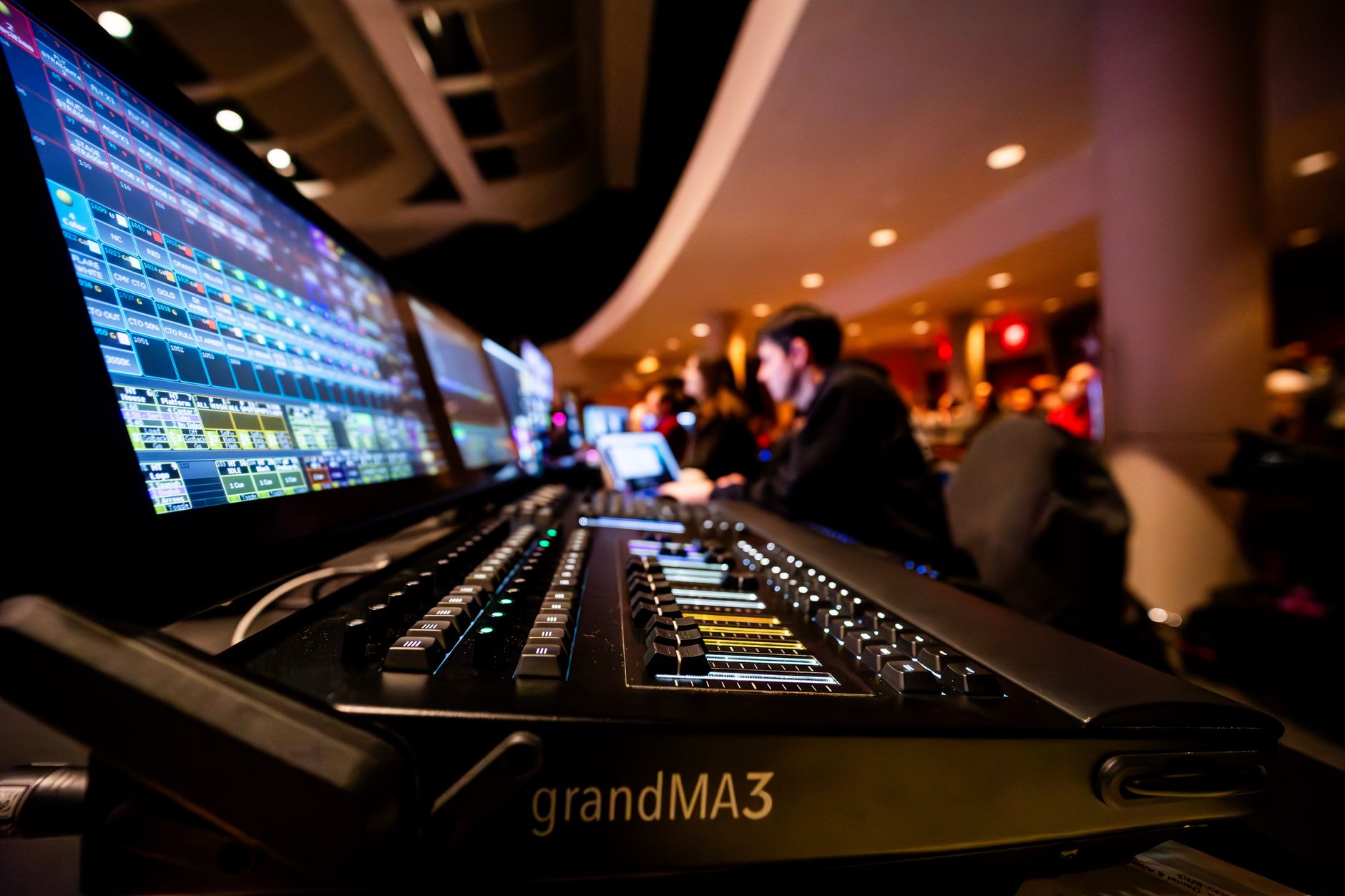
High-stakes AGMs also benefit from integrating pre-produced committee updates or highlight reels. Playing these segments directly from the switcher eliminates live speaker stumbles, locks in exact timing and keeps the webcast dynamic.
5. Encoding, Redundancy and Viewer Engagement
Hardware encoders push the final program feed to the platform that matches the organization's security needs, whether that is Zoom, Teams, Webex or a gated portal (Umbrex). Because venue internet can fluctuate, crews run a continuous local master recording on solid-state drives so the organization always walks away with a clean archival file (Audio Sprout).
Making live interactivity visible is crucial. At a 2026 Ragan Internal Communications Conference, Diana Sweis of J.P. Morgan noted that having executives interact with live questions clarifies that the session is not pre-recorded and invites participation (Ragan Communications). Case studies show that professional execution yields results; a transition to broadcast-style town halls at Mars Wrigley resulted in an 87% active engagement rate (Lemon Lane).
What Are the Best Live Event Streaming and Webcasting Companies in Vancouver BC?
When evaluating the best live event streaming and webcasting companies in Vancouver BC, organizations typically choose between enterprise webcasting platforms like CollaborateVideo, traditional AV rental houses like Yes Audio Visual or Danesh Production, and established turnkey broadcast video and AV production leaders like Maverick Video Group.
Enterprise platforms specialize in gated web portals and compliance, often acting as the software backend. Traditional AV rental houses focus on stage lighting, speakers and conference room microphone rentals. Organizations that need a reliable bridge between in-room AV and multi-camera broadcast television look for a proven full-service production leader that handles the entire technical scope - from room sound and projection to live switching and pre-produced video - under one roof.
The Maverick Video Group Approach
Founded in 1993 with thousands of completed productions across Western Canada, Maverick Video Group is a long-standing leader in turnkey corporate live streaming, webcasting and event AV. Based in Maple Ridge, the family-owned crew works regularly across Metro Vancouver, the Fraser Valley, Vancouver Island and Alberta. Clients work directly with the core team rather than rotating freelance crews or support ticket systems: Founder and Producer Jeff MacNabb oversees production, Kaden MacNabb leads on-site event AV and multi-camera live streaming, and Head Editor Elicia MacNabb runs the edit suite and operates cameras on live-stream event days.
Maverick handles supply, delivery, setup, on-site technician operation and takedown for the complete in-room AV package - including 10-foot screens, projectors, wireless microphones and room sound systems - alongside multi-camera switching, live event streaming, pre-produced event videos and custom 2D/3D animations. To protect organizations from unexpected costs, projects follow a written "not to exceed" proposal. That practical, no-surprises track record has earned Maverick multi-year partnerships across the region, including AGMs and conferences for Concrete BC and Concrete Alberta, more than 20 years of annual gala media production and full event AV for the Ridge Meadows Hospital Foundation, and corporate and public-sector productions for organizations ranging from Mercedes-Benz Canada and Fraser Health Authority to Lower Mainland municipalities, school districts and industry associations across the province.
Moving Forward with Your Next Broadcast
Whether you are organizing an annual review or a quarterly employee update, approaching corporate live streaming as a structured broadcast ensures your message is delivered clearly. A well-executed hybrid event respects the time of both the people in the room and the remote audience watching the stream. To learn more about how Maverick Video Group supports corporate broadcasts and hybrid events across Greater Vancouver and Western Canada, or to discuss the logistics for your next production, contact the crew to start planning.